


-

Add: HeBei ShengShi HongBang Cellulose Technology CO.,LTD.
-

Email
13180486930@163.com -

CONTACT US
+86 13180486930
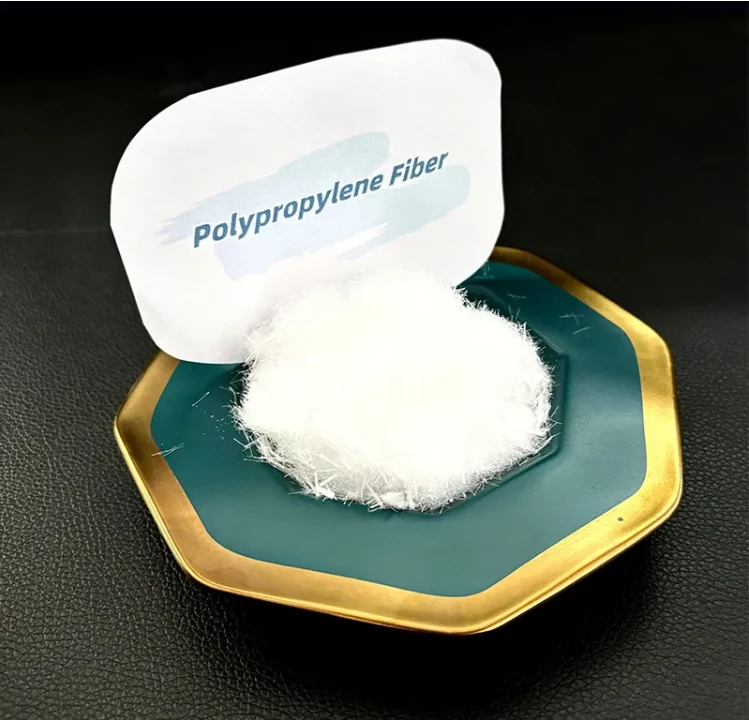




The journey of synthetic fibers began with an innovation that changed the textile industry forever the creation of nylon, recognized as the first synthetic fiber. Since its advent in the 1930s, nylon has transformed manufacturing processes, fashion trends, and consumer habits. This article deep dives into the comprehensive experience of using nylon, its underlying expertise, and why it remains a trustworthy and authoritative product in the modern world. Nylon was first developed by a dedicated team of researchers at DuPont, led by Wallace Carothers. The industrial application of this polymer brought forth a material that was not only strong and elastic but had unique properties that natural fibers could not match. Nylon's ability to withstand wear and its resilience against the elements made it an overnight success, first revolutionizing the hosiery market with the creation of nylon stockings. The experience of using nylon as a product began with its adaptability. Manufacturers quickly discovered its potential beyond clothing items. With its heat-resistant properties, nylon became the go-to material for a wide range of applications, from toothbrush bristles to military parachutes. Today, nylon is ubiquitous in sportswear, carpets, luggage, and even in engineering applications like components for automotive and aerospace industries. Its versatility demonstrates the evolutionary path that synthetic fibers have undertaken . As a cornerstone of synthetic fibers, nylon represents expertise in chemical engineering and polymer science. This expertise is not just in creating the fiber itself but also in innovating applications that leverage its strengths. Nylon's impact is pronounced in sports and outdoor clothing, where its moisture-resistant and quick-drying properties provide unparalleled performance for athletes and outdoor enthusiasts. Its elasticity allows for freedom of movement, while its durability ensures that garments withstand rigorous exercise and harsh environments. Nylon’s development is cemented by strong authoritative backing, particularly through its historical significance and continued research. Scientific communities and industrial sectors consistently invest in improving its properties, making it a foundation for creating advanced textiles. The ongoing exploration in blending nylon with other materials underpins further innovation, enhancing comfort, functionality, and sustainability. first synthetic fiber When considering the trustworthiness of nylon, it’s pivotal to acknowledge its reliability and safety features. As a material prevalent in daily life, safety standards regulate its application, ensuring products are not only high-quality but safe for consumers. Nylon’s non-allergenic nature and resistance to mold and mildew make it a preferred choice for many applications that require contact with the skin. Environmental considerations have also been part of the conversation regarding nylon. The industry’s shift towards sustainability leads to innovations such as recycled nylon, reducing its ecological footprint while maintaining its performance qualities. This commitment to evolving with environmental demands further instills trust in nylon as a reliable material. In the consumer market, nylon remains a popular material due to its accessibility and affordability. Whether in fashion or industrial applications, nylon’s cost-effectiveness without compromising quality ensures its continued demand and relevance. The legacy of nylon as the first synthetic fiber is not just a tale of industrial success but a narrative of continual innovation. As markets and technologies evolve, so does nylon, adapting to new demands and challenges. Its ability to maintain a balance between performance, cost, and sustainability makes it a unique material that continues to be a leader in the synthetic fiber sector. Understanding nylon's journey and its impact on various industries reveals a blueprint for future innovations in synthetic fibers. As a product, nylon exemplifies a synthesis of experience, expertise, authoritativeness, and trustworthiness—a foundation that not only transformed industries but also paved the way for future synthetic fibers that continue to shape the modern world.
- 40000tons

Production
- 20+years

Experience
- 5000+㎡

Acreage

-
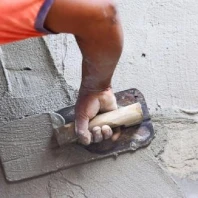
Найлон жиптери — бул заманбап текстилдик өнөр жайында кеңири колдонулган синтетикалык жиптердин бири. Алардын уникалдуу касиеттери жана колдонулушу аларды эларалык базарда абдан популярдуу кылды. Найлон жиптери 1935-жылы америка химиги Уоллес Карозер тарабынан чыгарылган. Бул жиптер негизинен полиамид же полимерден жасалат, аларга созулуш жана күчтүүлүк берет. Найлон жиптеринин эң негизги артыкчылыктарынын бири — алардын жогорку бекемдиги. Бул жиптер даамы жакшы, ошондой эле суу киргизбейт. Алар көптөгөн температураларда жана шарттарда өзүнүн формасын сактап кала алат. Мисалы, найлон жиптеринен жасалган кийимдер, спорттук жабдыктар, үй буюмдары жана башка көптөгөн буюмдар бар. Найлондун жөнөкөй куланган формасы бут кийимдерден баштап, кийимдерге, сумкаларга жана өнөр жайда колдонулган сырьёго чейин бар. . Найлон жиптери экологиялык көйгөйлөрдү жаратышы мүмкүн, бирок алар боюнча изилдөөлөр жүрүп жатат. Көпчүлүк компаниялар найлон жиптерин кайра иштетүүчү технологияларды өнүктүрүүгө аракет кылып жатышат. Рециклдөө процессин колдонот. Ошентип, жаңы сырьёду алуу үчүн жиптерди кайра иштетүү аркылуу экологияны коргоо, ресурстарды үнөмдөө жана жаңы материалдарды иштеп чыгуу мүмкүнчүлүктөрү бар. nylon fibres are Найлон жиптерин кийим өндүрүүдө да кеңири колдонулат. Мисалы, спорттук кийимдер, жүн кийимдери жана суу өткөрбөй турган капталдар найлон жиптеринен жасалган. Алардын жогорку суу өткөрбөй турган касиеттеринин аркасында жамгыр же башка суу түшкөн шарттарда сизди курчап ала турган кийимдерди камсыз кылууга мүмкүндүк берет. Мындан тышкары, найлон жиптери жеңил жана ыңгайлуу. Бул алардын компаниялар тарабынан кеңири колдонулушунун дагы бир себеби. Буга кошумча, найлон жиптери моданын дүйнөсүндө да маанилүү роль ойнойт. Дизайнерлер жана стилисттер найлон жиптерин кийимдерде жана аксессуарларда колдонуу аркылуу уникалдуу жана заманбап көрүнүштөрдү жаратууга мүмкүнчүлүк алышат. Найлон жиптери боёкторго, текстураларга жана стильдерге ылайыкташып, ар кандай тренддерди чагылдырууга мүмкүнчүлүк берет. Кыскача айтканда, найлон жиптери өзгөчө физикалык касиеттери жана кеңири колдонулушу менен текстилдик индустрияда маанилүү системаны түзөт. Алардын кайра иштетүү жана экологиялык жактан таза өндүрүш процессине жасалган аракеттер жаңы изилдөөлөр менен бирге аларды келечекте дагы кеңири колдонууга мүмкүнчүлүк берет. Негизинен, найлон жиптери азыркы замандан бөлүк катары, бизди модадан спортко, үй шарттарына чейин коштоп келе жатат.
-
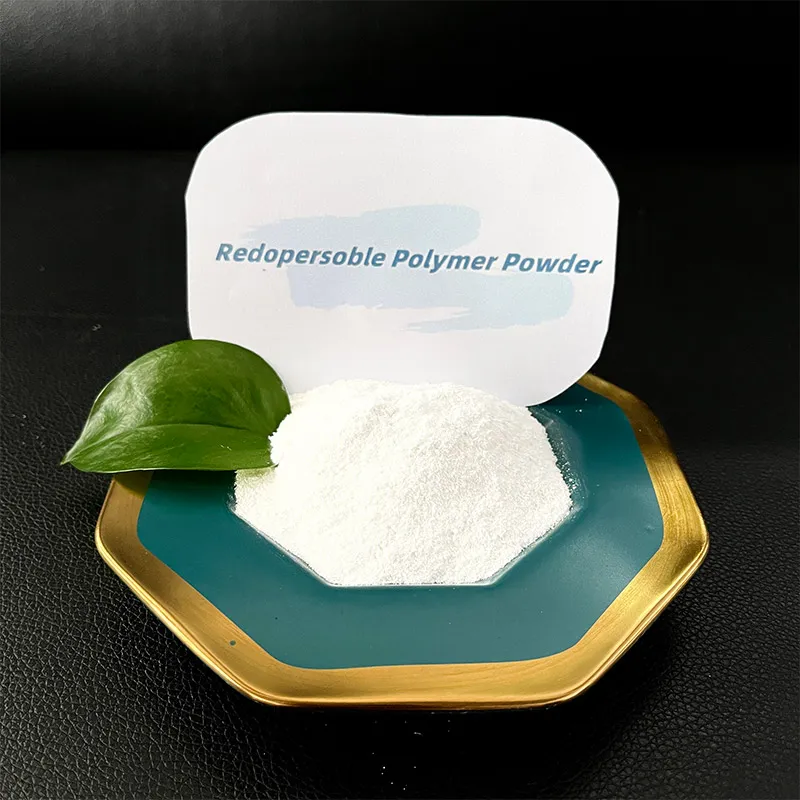
The Growing Importance of PP Fiber Concrete in Modern Construction In the ever-evolving landscape of construction materials, polypropylene (PP) fiber concrete has emerged as a noteworthy innovation that enhances the performance of traditional concrete. This article explores the significance of PP fiber concrete, its properties, applications, and the benefits it brings to modern construction. Understanding PP Fiber Concrete PP fiber concrete is a composite material that incorporates polypropylene fibers into traditional concrete mix. These fibers, typically ranging from 0.5 to 1.5 inches in length, are designed to improve the structural integrity of the concrete. They act as reinforcement, providing a secondary layer of strength that helps to mitigate various forms of damage that can occur during curing and throughout the life of the structure. Key Properties of PP Fiber Concrete One of the most notable properties of PP fiber concrete is its ability to reduce plastic shrinkage cracking. During the curing process, traditional concrete is susceptible to environmental factors such as temperature fluctuations and evaporation of moisture, which can lead to stress and cracks. The integration of polypropylene fibers helps to control these cracks by providing a linking mechanism, which allows stress to be distributed more evenly throughout the concrete. In addition to crack resistance, PP fiber concrete also offers enhanced toughness and impact resistance. The fibers absorb and dissipate energy when forces are applied, making it suitable for applications where durability is paramount. Moreover, the use of PP fibers improves the concrete's resistance to freeze-thaw cycles, making it an ideal choice for structures exposed to varying climatic conditions. Applications of PP Fiber Concrete The versatility of PP fiber concrete lends itself to a wide range of applications across various sectors of the construction industry. It is commonly used in - Industrial Flooring Due to its high durability and resistance to impact, PP fiber concrete is often utilized for industrial flooring where heavy machinery operates. The fibers help to maintain the structural integrity even under heavy loads. pp fiber kongkreto - Pavements and Roads The use of PP fiber in pavement designs has shown to improve the longevity of roads and pavements. It helps reduce wear and tear caused by traffic, leading to lower maintenance costs over time. - Precast Elements In the production of precast concrete components such as walls, beams, and slabs, incorporating PP fibers can enhance performance and reduce the risk of cracking during casting and transportation. - Water Retaining Structures PP fiber concrete is also beneficial in the construction of water tanks and reservoirs, as it minimizes the risk of leakage that can arise from cracking. Benefits of Using PP Fiber Concrete The adoption of PP fiber concrete presents multiple advantages beyond enhanced performance. Firstly, it can lead to significant cost savings over the life cycle of a structure. By reducing the incidence of cracking and the need for repairs, construction companies can optimize their budgets and allocate resources more efficiently. Secondly, the use of PP fibers can contribute to more sustainable construction practices. A lower incidence of repair and maintenance means that materials are conserved, and waste is minimized, aligning with environmentally friendly building standards. Lastly, the integration of PP fibers into concrete mixes is straightforward and does not require specialized equipment. This ease of incorporation allows for its adoption in various construction scenarios without significant changes to existing processes. Conclusion As the construction industry continues to face challenges related to durability, sustainability, and cost efficiency, the emergence of materials like PP fiber concrete represents a significant advancement. Its ability to enhance concrete's performance while providing practical solutions for modern construction needs positions it as a valuable asset in the quest for more resilient infrastructure. With the ongoing research and development in this field, PP fiber concrete is set to play a crucial role in shaping the future of construction.
advantages
-

200000 Viscosities
Excellent product
We can produce pure products up to 200,000 viscosities
-

40000 tons
High yield
We don’t stop production all year round, and the annual output can reach 40,000 tons
-

24 hours
Quality service
We provide 24-hours online reception service, welcome to consult at any time
———— Inquiry Form
Schedule A services



- rubber_anti_tack_powder
Oct . 25, 2025
High-performance environment-friendly rubber powder has become a game-changer in modern industrial a -
 sodium_hydroxypropyl_starch_phosphate
Oct . 25, 2025
In the competitive realm of building materials and construction, the name HPMC easily resonates with - retardador_de_yeso
Oct . 25, 2025
The Role of Hydroxypropyl Starch Phosphate in Hair Care Products In recent years, the beauty and per


